
We manufacture custom hydraulic cylinder end caps for heavy equipment, industrial machinery, and hydraulic cylinder applications.
Made to your drawings, samples or specifications, DREJEX supports replacement and small-batch requirements with practical machining solutions and direct technical communication.
Hydraulic cylinder end caps close the end of a cylinder barrel and provide structural support for the cylinder assembly. Depending on the cylinder design, they may also incorporate mounting features, ports, sealing areas, or connections to other components.
A properly machined end cap helps maintain alignment, sealing performance and reliable operation under working pressure.
For replacement projects, end caps may need to be reproduced when the original component is worn, damaged, discontinued or difficult to source
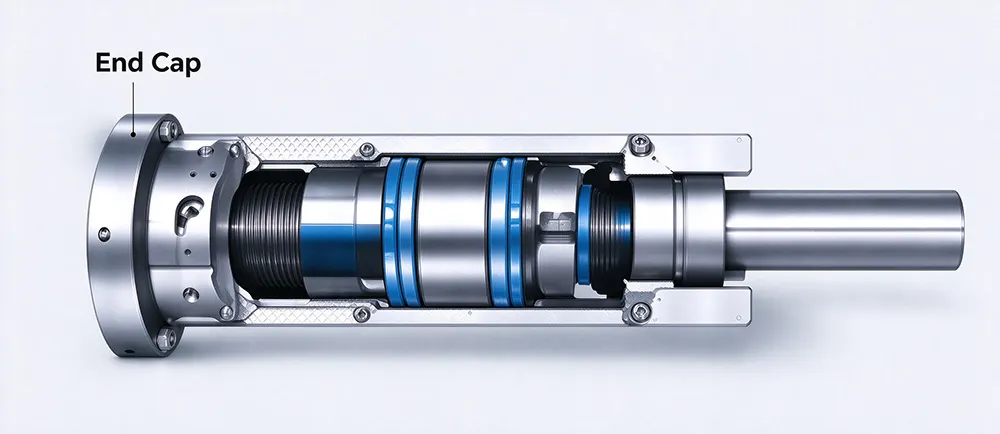
Every hydraulic cylinder is different. End caps may vary in dimensions, mounting configuration, ports, threads and sealing features.
DREJEX manufactures custom end caps according to your drawings, samples or specified dimensions, helping you reproduce the component required for your cylinder assembly.
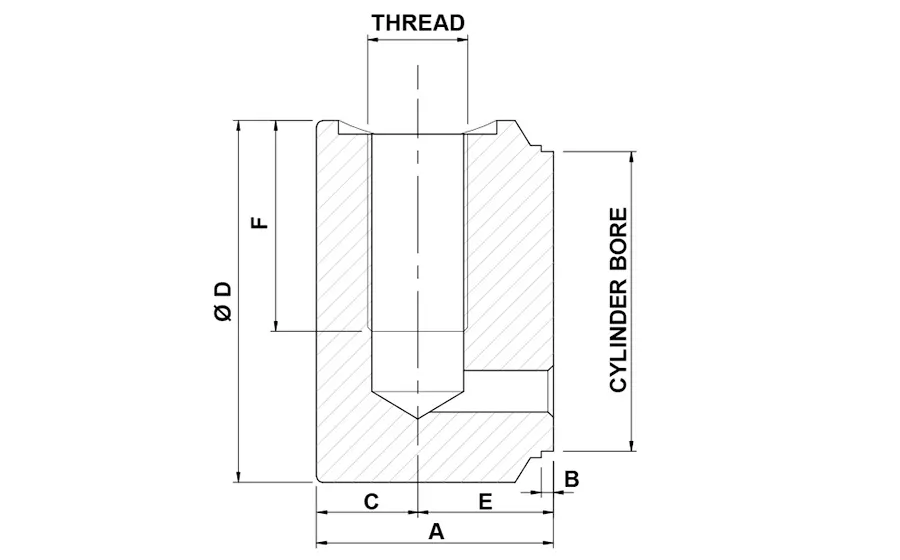
Hydraulic cylinder end caps can be produced in different configurations depending on the cylinder structure and mounting requirements.
DREJEX supports custom configurations based on your drawings, samples and application requirements.
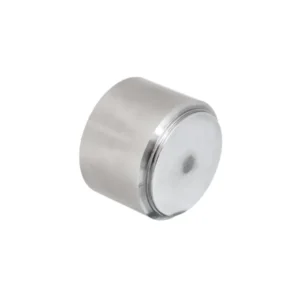
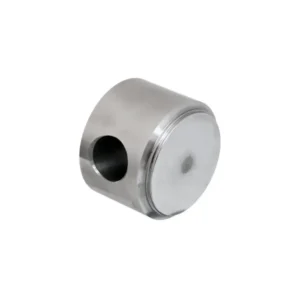
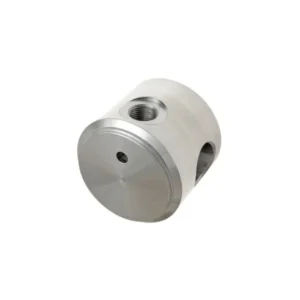
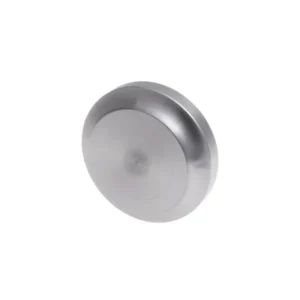
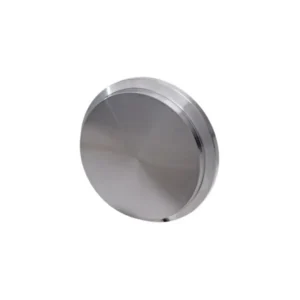
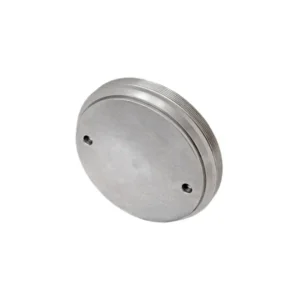
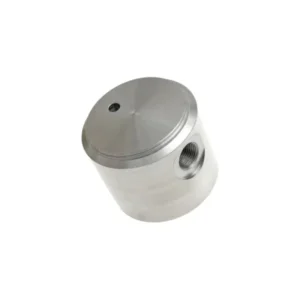
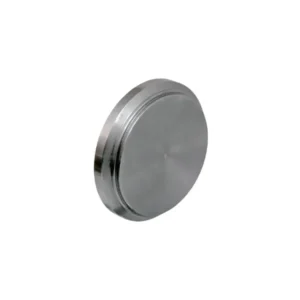
Hydraulic cylinder end caps are used across a wide range of equipment where reliable cylinder construction and mounting are essential.
DREJEX supports custom replacement components for both aftermarket and industrial applications.
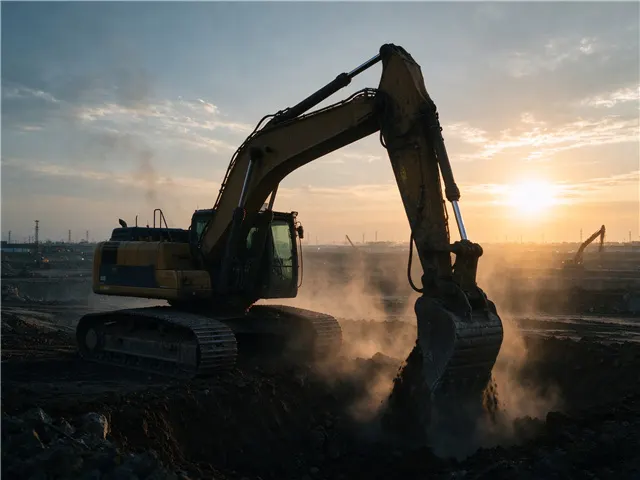
Hydraulic cylinder end caps used for the boom and arm sections.
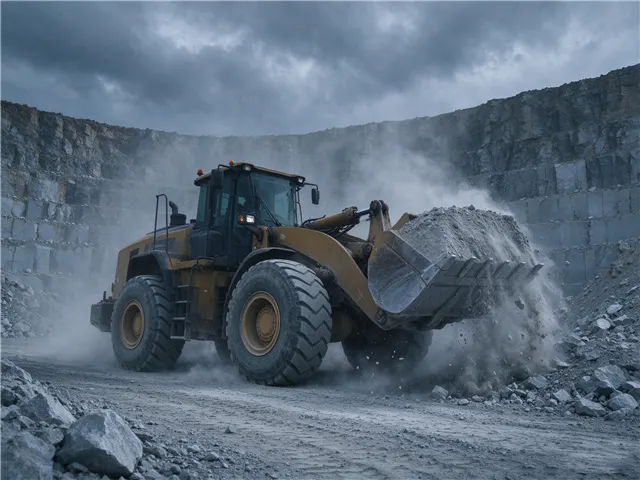
End caps for lifting and hydraulic actuation systems.

Replacement end caps for hydraulic cylinders used in agricultural equipment.
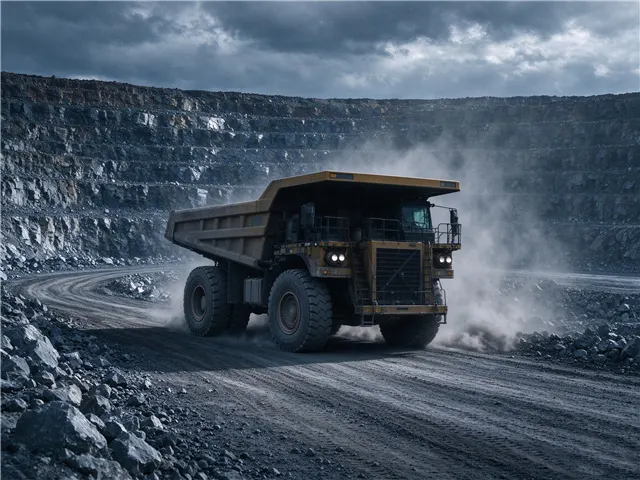
Heavy-duty hydraulic end caps for demanding operating environments.
Material selection depends on the cylinder design, operating environment, load, corrosion exposure, and machining requirements.
We can review your drawing or sample to help determine a suitable material for the application.
A practical choice for general hydraulic cylinder applications.
Suitable for components requiring higher strength and durability.
For applications where improved corrosion resistance is required.
Used for applications requiring good strength, toughness and machinability.
Suitable for applications where reduced component weight is important.
Commonly used for general-purpose machined hydraulic components.
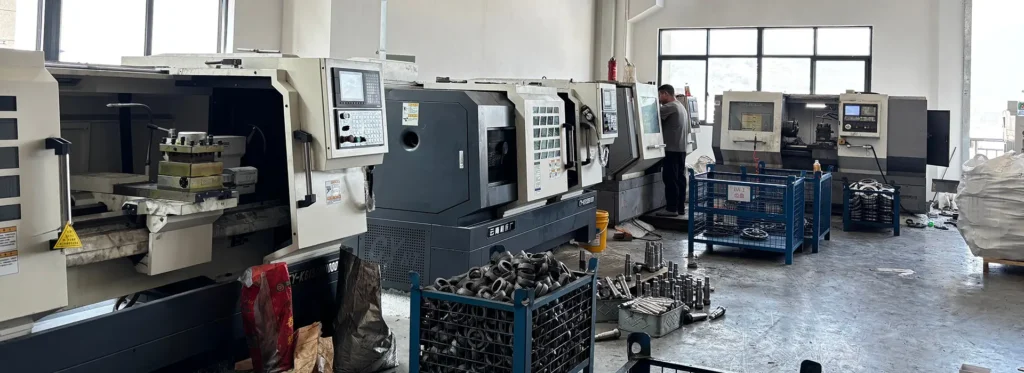
Hydraulic cylinder end caps often combine multiple machining features, including bores, threads, mounting surfaces, ports and sealing areas.
We focus on the critical dimensions and interfaces that allow the end cap to fit correctly within the cylinder assembly.
Accurate turning of outside diameters, bores, faces, and cylindrical features.
Internal and external threads are machined according to specified dimensions and standards.
Machining mounting holes, hydraulic ports and other required openings.
Precision machining of sealing and retaining grooves according to the drawing.
We help customers solve difficult hydraulic-component sourcing problems with flexible machining and direct technical communication.
We turn hydraulic cylinder end caps (base caps) from solid billets to seal the rear barrel and transfer the piston’s thrust to your equipment frame. Whether you use clevis, trunnion, or cross-tube mounts, we machine these parts to handle raw system pressure and heavy impact loads without cracking.
| Material Grade | Heat Treatment Standard | Tensile Strength | Yield Strength | Core Application (DREJEX Workshop Guide) |
| 1045 Carbon Steel | Normalized | ≥ 570 MPa | ≥ 340 MPa | Standard bolted rear covers and welded base caps. Excellent weldability and reliable structural strength. |
| 4140 Alloy Steel | Quenched & Tempered | ≥ 655 MPa | ≥ 415 MPa | Heavy-duty, high-pressure base caps. Superior fatigue resistance under extreme system pressure peaks. |
| Ductile Iron (65-45-12) | As-Cast | ≥ 450 MPa | ≥ 310 MPa | Standard mobile hydraulics. Offers superb casting density and excellent shock absorption at the rear mount. |
| Stainless Steel (SS316) | Annealed | ≥ 515 MPa | ≥ 205 MPa | Marine, chemical, or food-grade cylinders. Outstanding corrosion resistance in harsh environments. |
| Aluminum (6061-T6) | T6 Solution Treated | ≥ 290 MPa | ≥ 240 MPa | Lightweight pneumatic or low-pressure hydraulic cylinders. Excellent strength-to-weight ratio and corrosion resistance. |
| Bronze (C95400) | As-Cast | ≥ 515 MPa | ≥ 205 MPa | Used for press-fit wear bushings inside integrated clevis mounts to prevent pin binding and metal galling. |
Tell us your operating pressure and environment. We will recommend the exact alloy for your application.
We hold these standard tolerances during our production runs:
| Specification Item | Machining Limits & Tolerances | Test Method / Industry Standard |
| Barrel Locating Spigot Fit | f7 / h7 | Micrometer measurement / ISO standard fit |
| Integrated Pin Bore Tolerance | H7 / H8 | Inside dial indicator calibration |
| Cushion Spear Pocket Bore | H7 / H8 | Three-point internal micrometer inspection |
| Static O-Ring Groove Width/Depth | ± 0.05 mm | Vernier caliper / depth micrometer check |
| Weld Bevel Angle Precision | ± 1° | Universal bevel protractor verification |
| Static Seal Groove Roughness | Ra 0.8 – 1.6 μm | Stylus profilometer measurement |
| Raw Material Hardness Verification | Hardness varies by alloy grade | Brinell hardness testing on raw billets |
We machine end caps to fit your specific cylinder prints and mounting requirements:
| Connection / Mount Type | Structural Detail | How we machine it |
| Welded Base Caps | Solid rear caps directly welded to the cylinder tube. Often features integrated clevises. | We turn clean 30° or 45° weld prep bevels. Smooth root radius transitions give the welder deep penetration with no weak spots. |
| Threaded End Caps | Screw-in design with internal or external barrel connection threads. | We mill threads on our CNC lathes. Tight pitch tolerances let the cap bottom out flat against the barrel shoulder. |
| Bolt-on / Flanged Caps | Heavy-duty square or circular caps secured to the barrel flange via high-tensile bolts. | We drill bolt circles on 4-axis machining centers. Spot-on hole coordinates stop bolt bending during extension. |
| Trunnion / Cross-Tube Bases | Caps integrated with cross-tubes or lateral trunnion pins for pivoting mounts. | We bore cross-tubes and turn trunnions in a single setup. This keeps the pivot axis square to the barrel locator. |
We keep a close eye on three critical areas during every run to stop field failures:
If the rear pin hole is bored crooked, the cylinder will bind during extension and ruin the seals. We bore the hole and mill the clevis faces in one setup. This keeps perpendicularity to the locator under 0.03 mm so the cylinder runs straight.
For cylinders with rear cushioning, the end cap pocket must align. We use rigid, heavy boring bars to finish this internal bore. It stays concentric to the spigot within 0.02 mm so the returning cushion spear doesn’t hit the sides.
Rough threads strip when your customer tightens the hose. We mill SAE, NPT, and BSPP port threads using carbide thread mills, not cheap taps. We check every port with in-house Go/No-Go gauges to match international fit standards.
DREJEX solves critical end cap failures and mounting joint leaks through precise custom machining.
| Field Failure | Real-world Cause | How DREJEX fixes it in the workshop |
|
Fluid Leakage (Static Joints & Ports) |
Microscopic tool ridges in the static O-ring groove or poor port thread perpendicularity let high-pressure oil weep past the seal. | We turn static seal grooves to Ra 0.8 μm using mirror-finish inserts. CNC thread milling ensures perfectly perpendicular port seats for a flush, leak-free seal. |
|
Cracks or Deformation (Base & Welds) |
Sharp weld preps concentrate thermal stress and crack the cap weld; casting porosity causes the base to deform or crack under sudden pressure peaks. | We machine smooth 30° or 45° weld bevels with radius transitions for deep weld penetration. We reject porous castings and only source dense, pre-tested raw billets. |
|
Misalignment of the Rod or Piston |
A crooked rear clevis pin bore or off-center spigot locator forces the entire cylinder axis off-center, leading to uneven piston wear and rod binding. | We machine the locating spigot and bore the rear pin hole in a single CNC setup. This holds runout under 0.03 mm to keep the rod and piston moving perfectly straight. |
| Corrosion & Material Degradation | Outdoor exposure, dirt, or salt spray rusts the rear mount, locking up the pivot pin or pitting ports. | We machine SS316 or apply heavy-duty coatings. We check raw billet chemistry to guarantee material specs. |
| Thread Stripping / Cap Blowout | Soft casting materials or loose thread fits shear under massive hydraulic pressure spikes. | We turn heavy-duty caps from tough forged steel or dense QT500 iron. CNC thread milling ensures maximum thread engagement and load distribution. |
| Cushion Plunger Jamming | Off-center cushion pocket boring causes the returning piston spear to collide with the cap pocket. | We bore the cushion pocket concentric to the locator within 0.02 mm to stop metal-on-metal impact. |
Have questions about hydraulic cylinder end caps? This FAQ covers common questions about dimensions, materials, compatibility, customization, and replacement options. At DREJEX, we support customers with custom and replacement end caps based on drawings, samples, OEM references, or basic measurements. Whether you need a direct replacement for an existing cylinder, a discontinued part, or a small batch of non-standard end caps, we can help review the requirements and find a practical machining solution. We also support flexible quantities and mixed custom parts for aftermarket, repair, and industrial applications.
Yes. We can review a physical sample and use its dimensions and configuration as the basis for replacement manufacturing.
Yes. Depending on the component, we can work from a sample, OEM reference, basic measurements or available technical information.
Common options include carbon steel, 1045/C45, 4140/40Cr, ductile iron, stainless steel and aluminum. Material selection depends on the application and component requirements.
Yes. We support small-batch custom and replacement requirements.
Yes. We can review the original component and manufacture a replacement according to the required dimensions and configuration.
Yes. Threaded, flanged, welded and other custom configurations can be manufactured according to the required design.
Yes. We can manufacture components according to customer-supplied drawings, OEM references or approved samples.
Material documentation can be provided when required and agreed as part of the order.
Yes. DREJEX supports international orders and can arrange shipping according to the destination and order requirements.
Send us your drawing, sample information, dimensions or OEM reference. We’ll review the requirements and get back to you with a quotation.
Send us your drawing, sample, or basic requirements. We’ll review the component and provide a practical manufacturing solution for your application.