
We manufacture precision hydraulic cylinder heads and glands for heavy equipment, industrial machinery, and custom hydraulic systems.
From drawings, samples, or worn components, DREJEX provides reliable replacement heads and glands with accurate dimensions and application-focused machining.
Hydraulic cylinder heads and glands are critical components that seal the cylinder, guide the piston rod and maintain system pressure. They work together with seals and the cylinder barrel to prevent leakage and ensure smooth, reliable operation.
For aftermarket replacement projects, heads and glands are often required when original components are worn, damaged, discontinued or unavailable.
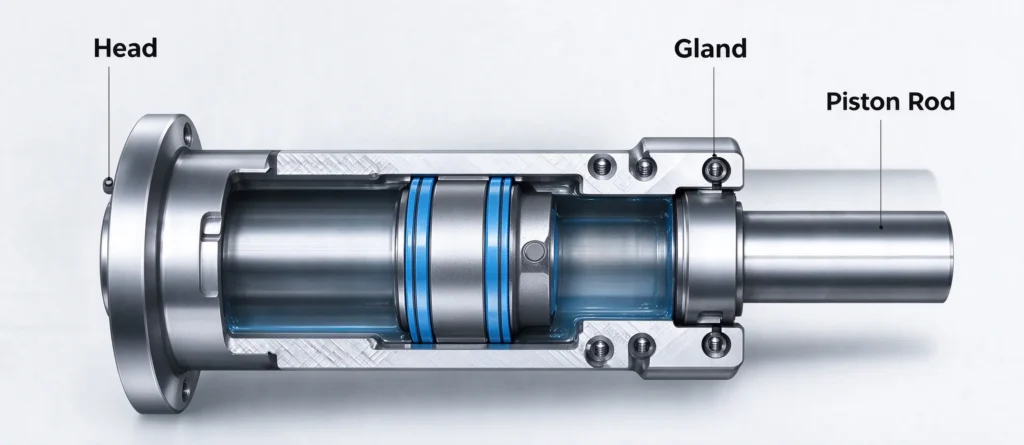
We provide custom machining services based on your drawings, samples or specifications. Whether you need standard designs or non-standard configurations, DREJEX can deliver high-precision heads and glands with consistent quality and reliable performance.
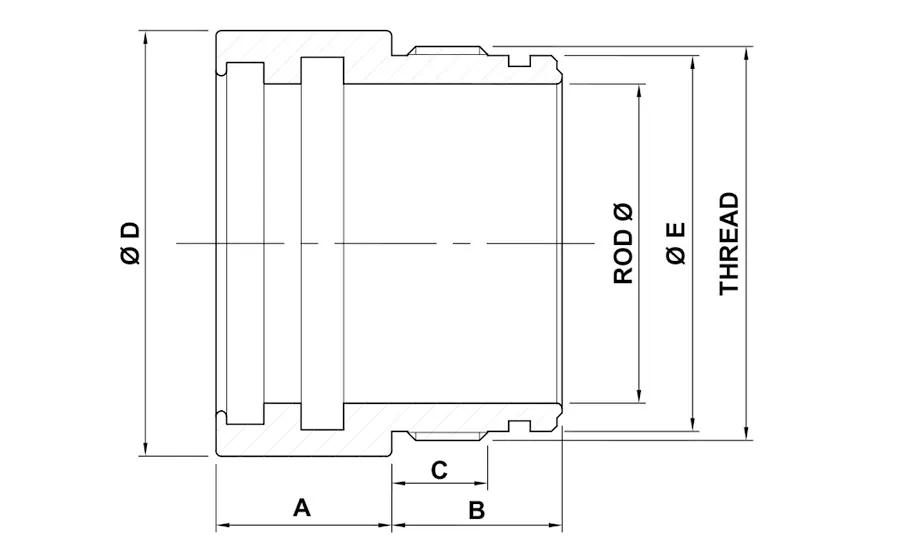
We offer a range of hydraulic cylinder heads and glands to suit different applications and mounting configurations.
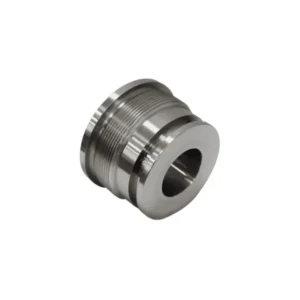
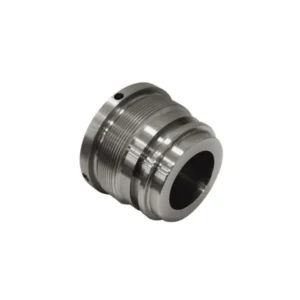
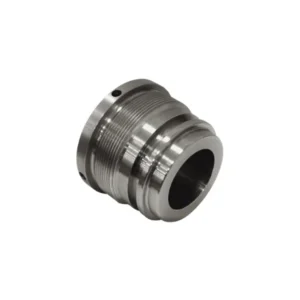
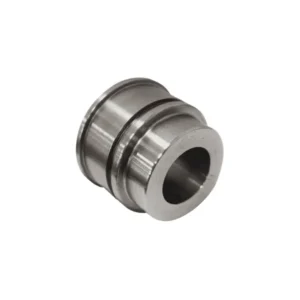
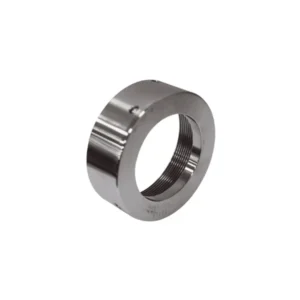
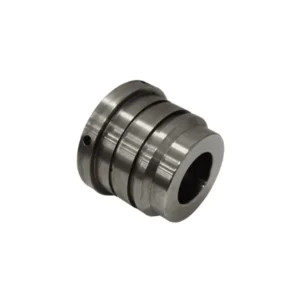
Large Bore Gland
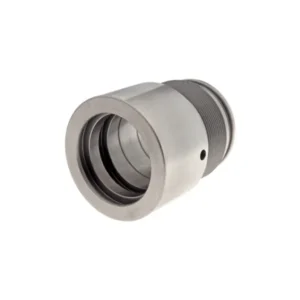
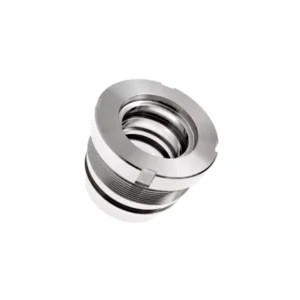
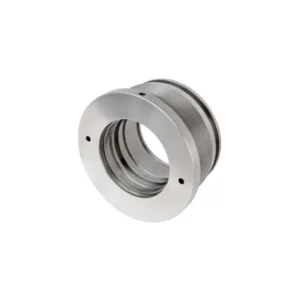
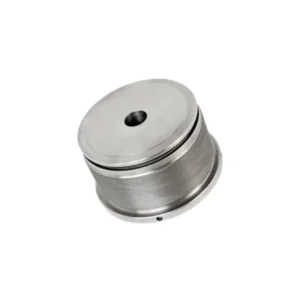
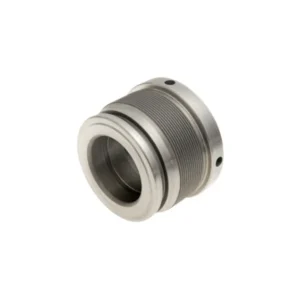
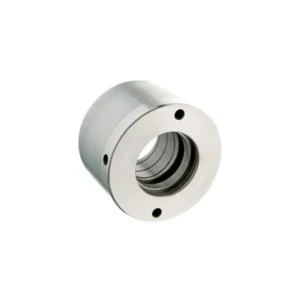
Our hydraulic cylinder heads and glands are widely used in construction equipment, mining machinery, agricultural equipment, industrial presses and other heavy-duty applications.
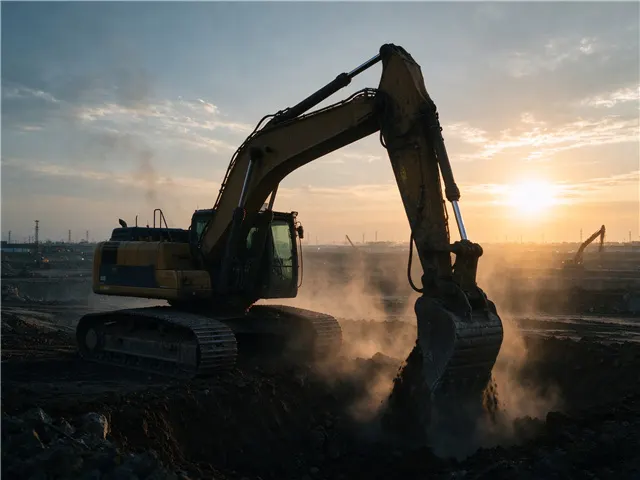
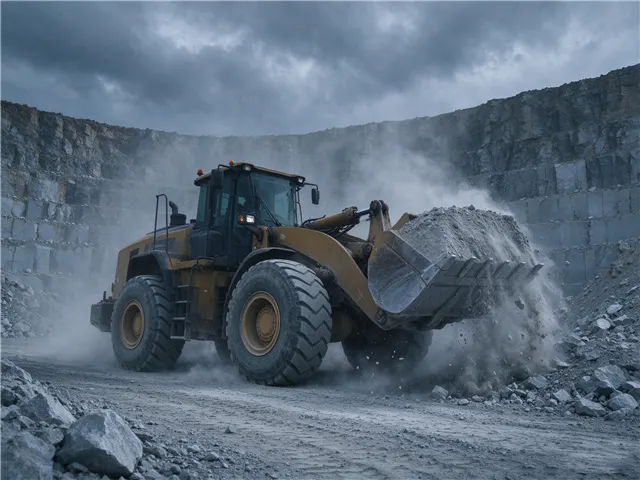


Heads and glands require materials with high strength, good machinability and corrosion resistance, depending on the working environment and application.
For general hydraulic applications.
For higher strength and heavy-duty applications.
For corrosion-resistant environments.
For high-pressure and heavy-load applications.
For lightweight and non-critical applications.
For specific fluid compatibility requirements.
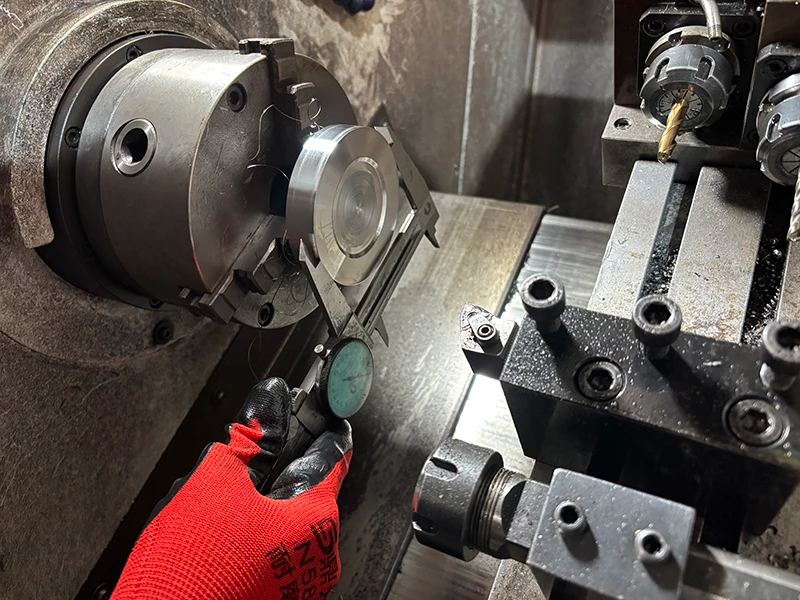
We provide practical machining solutions for custom hydraulic cylinder heads and glands. From turning and groove machining to drilling and surface finishing, we focus on the critical dimensions and features required for proper fit and reliable sealing performance.
We help customers solve difficult sourcing problems with flexible manufacturing and direct technical communication.
We machine high-precision cylinder heads (end caps) that secure the rod-end pressure boundary. Unlike dynamic glands, these static heads do not house moving rod seals. We turn them from solid ductile iron or carbon steel to act as rigid, leak-free mechanical barriers that withstand extreme system pressure peaks and heavy mounting forces.
We turn high-precision hydraulic cylinder glands (head glands/guide sleeves) that support and guide the reciprocating piston rod. Unlike static end caps, a gland is a stationary housing performing dynamic rod guiding and sealing. We machine them from self-lubricating ductile iron, solid bronze, or alloy steels fitted with internal wear bushings to handle high rod velocity, side loads, and pressure peaks without binding or weeping.
Material Standards & Mechanical Properties
We machine solid raw alloys for specific structural loads and fluid compatibility. Our material selection focuses on density, wear resistance, and self-lubricating properties to prevent metal-on-metal galling.
| Material Grade | Heat Treatment | Tensile (MPa) | Yield (MPa) | Head Application (Static) | Gland Application (Dynamic) |
|---|---|---|---|---|---|
| 1045 Carbon Steel | Normalized | ≥ 570 | ≥ 340 | Bolted head covers and welded end caps. | High-pressure threaded glands with bronze bushings. |
| 65-45-12 Ductile Iron | As-Cast | ≥ 450 | ≥ 310 | Standard mobile cylinder heads. | #1 workhorse for mobile glands. Free graphite prevents galling. |
| 4140 Alloy Steel | Q&T | ≥ 655 | ≥ 415 | Heavy-duty, high-pressure heads. | Extreme-duty gland housings with wear bushings. |
| HT250 Cast Iron | As-Cast | ≥ 250 | — | Low-pressure industrial cylinders. | (Not recommended for dynamic glands) |
| SS316 / 12Cr18Ni9 | Annealed | ≥ 515 | ≥ 205 | Marine, chemical environments. | Marine glands. Prevents rust around wiper pockets. |
| C95400 Al-Bronze | As-Cast | ≥ 515 | ≥ 205 | Press-fit wear bushings. | Premium anti-galling solid bronze glands. |
| Ductile Iron (70-50-05) | Stress Relieved | ≥ 500 | ≥ 320 | — | Heavy-duty glands. Higher shock load resistance. |
Head Machining Limits (Static): Spigot fit (f7/h7), Pin bore (H7/H8), Thread runout (≤0.03mm), O-Ring groove (+/-0.05mm), Flatness (≤0.02mm).
Gland Machining Limits (Dynamic): Guide bore (H7/H8), Seal pocket (Strict ISO 5597 / ISO 7425-2), Concentricity (< 0.02 mm), Wiper groove (+0.05/-0mm).
Surface Finishing: Static seal grooves (Ra 0.8–1.6 μm), Dynamic seal pockets (Ra 0.4–0.8 μm).
Quality Guarantee: Every batch is inspected according to these exact standards before shipment. Material certificates and dimensional reports are available upon request.
We turn custom cylinder glands to match your specific barrel assembly and rod seal package.
| Gland Type | Structural Detail | How We Machine It |
|---|---|---|
| Threaded Glands | Screw-in housings with internal or external threads and dynamic seal pockets. | We control thread-to-bore concentricity on dual-spindle CNC lathes to prevent binding. |
| Flanged Glands | Bolted rectangular or circular gland plates for heavy-duty applications. | Precise bolt circles on 4-axis machining centers. Strict coordinate alignment stops bolt shearing. |
| Tie-Rod Glands | Square or rectangular glands designed for tie-rod cylinder assemblies. | Face and mill on vertical mills to ensure flat, parallel tube seats preventing uneven barrel loading. |
| Retaining Ring / Snap-Ring | Compact glands secured inside the barrel using internal retaining rings. | Tight retaining ring grooves with strict width/depth tolerances to prevent longitudinal play. |
DREJEX turns custom cylinder head designs for your specific cylinder prints.
| Head Connection | Structural Detail | How We Machine It |
|---|---|---|
| Threaded Heads | Internal or external screw-in mounting threads. | Control thread-to-step-shoulder perpendicularity on dual-spindle CNC lathes for tight barrel seating. |
| Flanged Heads | Bolted circular or rectangular head plates. | Precise bolt circles on 4-axis machining centers to stop bolt bending stresses during extension. |
| Tie-Rod Heads | Square end caps with through-bolt clearance holes. | Face and mill on vertical centers. Parallel mating faces prevent tube distortion during tie-rod tensioning. |
| Welded Heads (Base/Cap) | Solid non-demountable cap bases with welded ports or mounts. | Clean 30° or 45° weld bevels. Deep weld penetration handles high peak system pressures. |
We keep a close eye on three critical areas during every machining run to stop dynamic leaks and rod galling:
Dynamic Seal Pocket Grooving (ISO 5597 / ISO 7425-2): Rough pocket flanks tear soft rubber seals like sandpaper. We use dedicated grooving inserts to keep roughness within Ra 0.4–0.8 μm. Operators measure depth and flanks regularly to stop tool wear burrs.
Concentric Rod Guide Boring: Off-center bores cause the rod to rub and gall. We bore the internal wear ring guide and turn the outer locating diameter in a single CNC setup (one chucking), holding concentricity strictly under 0.02 mm.
Retention & Drain Thread Turning: Loose threads strip under pressure spikes. We machine external threads and internal drain ports using carbide thread inserts and thread mills. We carry common thread plug and ring gauges in-house to verify every thread before shipping.
We don’t rely on luck. Our machinists monitor these critical zones during every run:
Static O-Ring Groove Geometry: A rough groove allows oil to weep past barrel threads. We turn static seal grooves with specialized inserts to keep the bottom smooth and free of ridges, visually inspecting every flank.
Mounting Pin Bore Alignment: Misaligned clevis or pin holes cause uneven wear. We bore pin holes and face mounting ears in a single setup, keeping perpendicularity strictly below 0.03 mm.
Port & Thread Precision: Rough threads strip during high-pressure installation. We mill SAE, NPT, and BSPP port threads using solid carbide thread mills instead of cheap taps. Every single thread is checked with calibrated Go/No-Go plug gauges.
| Field Failure | Real-world Cause | How DREJEX Fixes It |
|---|---|---|
| Fluid Leakage (Dynamic Seals) | Rough groove flanks and micro-burrs tear polyurethane seals. | Finish seal pocket flanks to Ra 0.4–0.8 μm using mirror-finish inserts. Hand-deburring removes microscopic edges. |
| Rod Galling / Scratching | Off-center guide bores or un-bushed steel walls force the rod against raw metal. | Machine guide bore and outer locator in one CNC setup (runout ≤ 0.02 mm). Use self-lubricating ductile iron or bronze bushings. |
| Seal Extrusion & Nibbling | Excessive clearance between rod and guide bore allows high pressure to squeeze the rod seal. | Hold guide bore to strict H7/H8 limits to maintain proper extrusion gaps under pressure spikes. |
| Corrosion & Material Degradation | Moisture or harsh chemicals can rust gland faces and pit dynamic seal seats. | Machine SS316, solid bronze, or apply anti-rust surface treatments. Check raw billet chemistry. |
| Thread Stripping / Gland Blowout | Loose threads or soft materials shear under massive hydraulic pressure spikes. | Turn heavy-duty glands from tough QT500 iron or steel with internal bronze sleeves. Precise CNC threading maximizes load engagement. |
| Wiper Pocket Failure / Scraper Blowout | Out-of-spec groove-diameter tolerances allow the dust scraper ring to pop out. | Turn wiper groove diameters to strict +0.05 / -0 mm limits using precision groove tools. Scraper snaps tight and stays in place. |
| Field Failure | Real-world Cause | How DREJEX Fixes It |
|---|---|---|
| Seal Leakage (Static O-Ring & Ports) | Microscopic tool ridges in the static groove or poor thread perpendicularity let oil weep past. | Turn static groove bottoms with specialized mirror-finish inserts. CNC thread milling ensures perfectly perpendicular port seats. |
| Rod Misalignment & Bushing Wear | Runout between the head’s locating spigot and mounting face forces the cylinder out of line. | Turn the locating spigot and face the mounting flange in a single chucking. Hold perpendicularity under 0.02 mm. |
| Corrosion & Material Degradation | Exposure to saltwater, moisture, or chemicals rusts raw cast heads. | Machine corrosion-resistant SS316 or apply specialized industrial coatings. Strict chemical analysis on raw billets. |
| Thread Stripping / Head Blowout | Soft casting materials or loose thread fits fail under sudden pressure spikes. | Turn heavy-duty heads from tough QT500 iron or forged 1045 steel. Full-profile CNC thread milling maximizes engagement. |
| Clevis Pin Binding (Mounting Failure) | Misaligned pin bores or uneven mounting ears create severe side loads. | Bore mounting pin holes and face clevis ears in one setup on 4-axis centers to keep alignment within 0.03 mm. |
| Weld Seam Cracking | Sharp weld preps and poor bevel angles concentrate thermal stress. | Turn precise 30° or 45° weld bevels with smooth radius transitions to distribute thermal and mechanical loads. |
Yes. We can review worn components or samples and assess the dimensions and manufacturing requirements.
Material selection depends on your application, load, pressure, wear conditions and corrosion exposure.
Material certificates may be provided upon request, depending on the material and order requirements.
Lead time depends on the component design, quantity, material availability and machining requirements. We will confirm it during quotation.
Yes. We welcome inquiries for small-batch and custom replacement components.
Yes. We can manufacture replacement components according to drawings, samples or available technical specifications.
Yes. We can arrange international shipping based on your order and destination.
Send us your drawing, sample or requirements. We’ll review your application and provide a practical manufacturing solution.